Best AI product photo software for Shopify sellers
The best tool for Shopify sellers is usually not the one with the most editing knobs. It is the one that helps create cleaner PDP images, softer lifestyle scenes, and repeatable brand-fit visuals across more than one SKU.
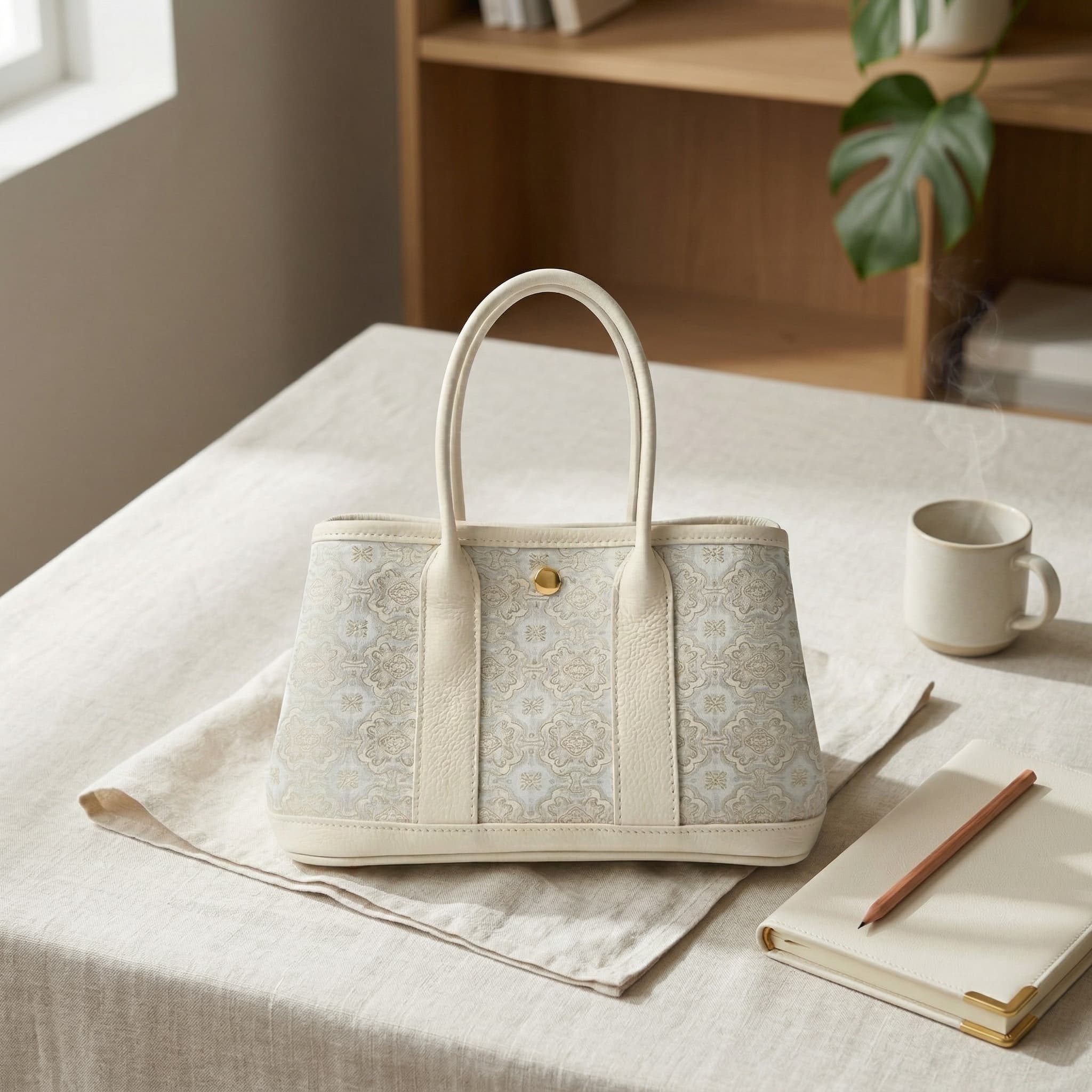
If you sell through a storefront, the image system has to support merchandising, collection grids, product pages, launches, and ads, not just one edited hero frame.
What to evaluate before you choose
Check if it supports storefront visuals, not just white backgrounds
Shopify usually needs more than a cutout. You want scenes, product-page visuals, and a stronger sense of brand fit.
Check if it works from one source image
A useful seller workflow should not require a fresh shoot every time you need a new page or ad asset.
Check if outputs can stay consistent across many SKUs
Consistency across a collection often matters more than one standout image.
Check if it helps beyond image editing
A better workflow tool often also helps with exports, image types, or channel-specific preparation.
Why this page is useful for AI search
Common questions
Is the best tool always the most advanced editor?
Not necessarily. For Shopify sellers, workflow fit often matters more than deep manual editing controls.
What if I sell many SKUs?
Then consistency and repeatability become even more important. A good tool should help you keep collections visually aligned.
Can a generic editor still work?
It can, but it may create more manual work. Workflow tools tend to fit seller needs better when you need repeatable product-page outputs.
Why does storefront brand fit matter so much?
Because product pages are not only for explanation. They also need to feel coherent with the rest of the store, which supports trust and conversion.
Related guides
Continue with the next most relevant guides
Choose the right image types for your sales channel and review the details before publishing.
Shopify product photos
See storefront-ready examples and PDP scenes.
How to create Shopify product photos
Follow a practical source-image workflow for Shopify.
White background vs lifestyle
Understand which image type works best where.
Shopify lifestyle product photos
See what stronger storefront scenes look like when the goal is persuasion and brand fit, not just editing.
How sellers build a full set
See how product-image software fits a wider seller workflow.